Let us start with our New topic on Networking.

Basics of Networking
When looking at networking basics, understanding the way a network operates is the first step to understanding routing and switching. The network operates by connecting computers and peripherals using two pieces of equipment; switches and routers. Switches and routers, essential networking basics, enable the devices that are connected to your network to communicate with each other, as well as with other networks.
Though they look quite similar, routers and switches perform very different functions in a network.
Networking Basics: Switches
Switches are used to connect multiple devices on the same network within a building or campus. For example, a switch can connect your computers, printers and servers, creating a network of shared resources. The switch, one aspect of your networking basics, would serve as a controller, allowing the various devices to share information and talk to each other. Through information sharing and resource allocation, switches save you money and increase productivity.
There are two basic types of switches to choose from as part of your networking basics: managed and unmanaged.
An unmanaged switch works out of the box and does not allow you to make changes. Home-networking equipment typically offers unmanaged switches.
A managed switch allows you access to program it. This provides greater flexibility to your networking basics because the switch can be monitored and adjusted locally or remotely to give you control over network traffic, and who has access to your network.
Networking Basics: Routers
Routers, the second valuable component of your networking basics, are used to tie multiple networks together. For example, you would use a router to connect your networked computers to the Internet and thereby share an Internet connection among many users. The router will act as a dispatcher, choosing the best route for your information to travel so that you receive it quickly.
Routers analyze the data being sent over a network, change how it is packaged, and send it to another network, or over a different type of network. They connect your business to the outside world, protect your information from security threats, and can even decide which computers get priority over others.
Depending on your business and your networking plans, you can choose from routers that include different capabilities. These can include networking basics such as:
Firewall: Specialized software that examines incoming data and protects your business network against attacks
Virtual Private Network (VPN): A way to allow remote employees to safely access your network remotely
IP Phone network : Combine your company's computer and telephone network, using voice and conferencing technology, to simplify and unify your communications
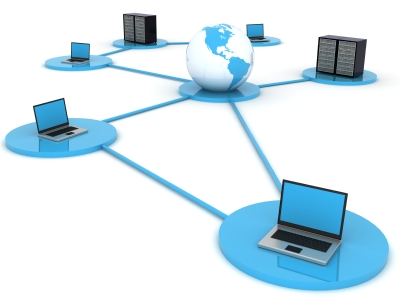
Basics of Networking
When looking at networking basics, understanding the way a network operates is the first step to understanding routing and switching. The network operates by connecting computers and peripherals using two pieces of equipment; switches and routers. Switches and routers, essential networking basics, enable the devices that are connected to your network to communicate with each other, as well as with other networks.
Though they look quite similar, routers and switches perform very different functions in a network.
Networking Basics: Switches
Switches are used to connect multiple devices on the same network within a building or campus. For example, a switch can connect your computers, printers and servers, creating a network of shared resources. The switch, one aspect of your networking basics, would serve as a controller, allowing the various devices to share information and talk to each other. Through information sharing and resource allocation, switches save you money and increase productivity.
There are two basic types of switches to choose from as part of your networking basics: managed and unmanaged.
An unmanaged switch works out of the box and does not allow you to make changes. Home-networking equipment typically offers unmanaged switches.
A managed switch allows you access to program it. This provides greater flexibility to your networking basics because the switch can be monitored and adjusted locally or remotely to give you control over network traffic, and who has access to your network.
Networking Basics: Routers
Routers, the second valuable component of your networking basics, are used to tie multiple networks together. For example, you would use a router to connect your networked computers to the Internet and thereby share an Internet connection among many users. The router will act as a dispatcher, choosing the best route for your information to travel so that you receive it quickly.
Routers analyze the data being sent over a network, change how it is packaged, and send it to another network, or over a different type of network. They connect your business to the outside world, protect your information from security threats, and can even decide which computers get priority over others.
Depending on your business and your networking plans, you can choose from routers that include different capabilities. These can include networking basics such as:
Firewall: Specialized software that examines incoming data and protects your business network against attacks
Virtual Private Network (VPN): A way to allow remote employees to safely access your network remotely
IP Phone network : Combine your company's computer and telephone network, using voice and conferencing technology, to simplify and unify your communications

